Showing posts with label Exercise. Show all posts

Friday, January 16, 2015

Exercise and Fitness Training for the child and teenager on the Autism Spectrum

Dear Friend,

in today's blog I am going to discuss the benefits of exercise and fitness training for children and teenagers that are living with Autism Spectrum Disorder. The number of children that already have been- and are being diagnosed as part of the spectrum is growing every year. The Center of Disease Control reports that 1.5% of children born in the USA today are likely to develop an ASD. Most of us have friends, colleagues, neighbors or know of someone who is affected by Autism or has a child that was diagnosed with ASD. If you read this and are not personally affected kindly look around and share this blog with someone who is. Thank you!

What is Autism Spectrum Disorder (ASD)?
ASD is considered a developmental disability caused by neurobiological differences in the brain of mostly unknown cause. The disorder begins before the child turns 3 and last throughout the person's life. A diagnosis of ASD includes a group of conditions that used to be diagnosed separately, including:
  • Asperger Syndrome (AS)
  • pervasive developmental disorder not otherwise specified (PDD-NOS)
  • Autism Disorder (AD)
  • Rett Syndrome (very rare)
  • Childhood Disintegrative Disorder (CDD) (very rare)
ASD effects a child's life in three different areas:
  1. social interaction
  2. verbal and non verbal communication
  3. behaviors and interests.
A person living on the spectrum does typically not present physical features setting him/her apart from anyone else, but is likely to exhibit differences in the way he/she behaves, communicates, interacts and learns. Some are extremely gifted while others are extremely challenged. Some need very little help in their day to day life while others need a lot of attention and assistance. While ASD is a life long problem, early and continuous intervention strategies are helpful in managing symptoms and increase skills and abilities.

Asperger Syndrome (AS)
Asperger Syndrome is often referred to as "high functioning Autism" and represents the mildest form of ASD. This condition is three times more common amongst boys than girls. The child with Asperger often becomes interested in a single topic or object which he/she will learn about and obsessively discuss. Although the AS child typically has normal to above average intelligence, his/her social skills are distinctly impaired and movement is often clumsy and uncoordinated, leading to a strained relationship with sports and exercise. As AS children grow up to be adults they are faced with an increased risk for anxiety and depression.

Pervasive Developmental Disorder-Not Otherwise Specified (PDD-NOS)
This diagnosis includes the majority of children living on the spectrum. It refers to the broad middle between the high functioning child with Asperger and the severely disabled child with Autism Disorder (AD). They compare to their peers with AS and AD by typically showing less language skills than the children with AS, but far better skills than the child with AD and fewer repetitive behaviors than either of the two other groups. Common for all three groups is a significant social interaction impairment.

Autism Disorder (AD)
This group is described as being more severely impaired in social and language skills and presents with increased repetitive and stereo typical behaviors. In addition children with AD commonly suffer from intellectual disability and seizures.

Two additional very severe, but thankfully rare forms of Autism include Rett Syndrome and  Childhood Disintegrative Disorder (CDD).

Rett Syndrome
This syndrome is caused by a random gene mutation (not inherited), occurring mostly in girls.

Childhood Disintegrative Disorder (CDD)
The child with CDD loses all of his/her social, language and intellectual abilities over a short period of time. Seizures often develop parallel to the non recoverable losses mentioned before.


Symptoms of ASD:
As previously mentioned the three cardinal areas effected by ASD are social interaction, language skills and repetitive/stereo typical behaviors. Other symptoms commonly associated with ASD are:
  • Gastrointestinal Disorders
    GI disorders in the child with ASD can reach from constant constipation or diarrhea to inflammatory bowel disease. In many children these GI problems lead to secondary behavioral changes such as self comforting (rocking) to aggression and even self-injury (head banging)
  • Seizures
    The child on the spectrum suffers in nearly 40% of all cases from seizures. Often different types are present in the same child. The easiest to recognize are the Grand mal seizure while other seizures like a Petit mal seizure are harder to detect.
  • Sensory Processing Difficulties
    This problem refers to an altered and unusual response to a variety of sensory input (smell, taste, sound, light, touch etc.). Many children with ASD exhibit a hightened sensitivity (hypersensitivity) to sound and touch leading to sensory defensiveness. Other children have a reduced responsiveness (hyposensitivity) i.e. don't respond when called by their names.
  • Sleeping Difficulties
    Falling and staying asleep are a common problem amongst children and adults with Autism. The Autism Treatment Network offers a Sleep Strategy Tool Kit that might be able to manage sleep better.
  • Pica
    Persons with Pica are eating non-eatable items such as chalk, dirt or erasers etc. Though this symptom is a common part of normal development in children ages 18-24 months, it becomes symptomatic in children and adults with developmental disabilities including ASD beyond those ages. Those living on the spectrum that show signs of Pica should be blood tested for enviromental toxins from time to time.
The Autism Treatment Network offers a great variety of tool kits that address the many issues and symptoms that arise when dealing with a diagnosis of ASD. Please check out this link for these helpful kits: http://www.autismspeaks.org/family-services/tool-kits

Treatment
Even though Autism remains incurable, early childhood intervention and a sensible use of medications can improve a child's abilities and skills, and make symptoms more manageable, leading to an overall improved quality of life. Even if a child has not been diagnosed with ASD, the Individuals with Disabilities Education Act (IDEA), makes early childhood intervention treatment services accessible to all children under the age of three that are considered at risk of developmental delays. These services, offered by the state, can evaluate and start treatment before a diagnosis is established.

Treatment Options:
Behavior and Communication Strategies
are trying to provide the child on the spectrum with structure, organization and direction while utilizing family participation.
  • Applied Behavioral Analysis (ABA)
    ABA is a widely recognized and utilized tool in the treatment of those diagnosed with ASD. It encourages positive behavior and discourages negative behavior in order to improve and teach skills.
    "There are different types of ABA. Following are some examples:
    • Discrete Trial Training (DTT)
      DTT is a style of teaching that uses a series of trials to teach each step of a desired behavior or response. Lessons are broken down into their simplest parts and positive reinforcement is used to reward correct answers and behaviors. Incorrect answers are ignored.
    • Early Intensive Behavioral Intervention (EIBI)
      This is a type of ABA for very young children with an ASD, usually younger than five, and often younger than three.
    • Pivotal Response Training (PRT)
      PRT aims to increase a child’s motivation to learn, monitor his own behavior, and initiate communication with others. Positive changes in these behaviors should have widespread effects on other behaviors.
    • Verbal Behavior Intervention (VBI)
      VBI is a type of ABA that focuses on teaching verbal skills."
      (http://www.cdc.gov/ncbddd/autism/treatment.html)
     Additional therapies that complete the behavioral and communication strategies include:
    • Occupational Therapy
    • Sensory Integration Therapy
    • Speech Therapy
    • The Picture Exchange Communication System (PECS)
    For more information on these therapies, visit the websites of the Center of Disease Control, the National Institute of Mental Health and AUTISM SPEAKS.
Dietary Strategies
At this time no general dietary recommendations can be made, as some dietary changes might help one child, but fail to help another. Many parents feel that removing certain types of food, especially Gluten and Casein, influences the way their child feels and acts in a positive way. The idea behind this dietary intervention is, that their children digest proteins differently. Instead of the more common allergic reactions to Gluten and Casein children on the spectrum react with behavioral and physical symptoms. Before changing your child's diet please consult your child's physician and possibly a nutritionist familiar with ASD to avoid nutritional deficits

Medication
Today there are no medications that can cure or even help treat the cardinal symptoms of ASD. There are however a variety of medications available that help manage many of the other symptoms such as, attention deficit, hyper activity, depression, seizures, aggression and GI problems etc.

Alternative Treatment Strategies
Alternative types of treatments are controversial as in most cases health benefit claims are supported by little or no scientific research. That said, some of these alternative treatments have shown success in individual case . About 30% of parents, desperate to help their child with ASD, are willing to give these treatments a try. To avoid endangering the child I strongly urge you to carefully research and discuss any alternative treatments with the child's doctor.

Exercise and Fitness Training
Over the past couple of decades Exercise and Fitness Training have proven to be a positive addition to the traditional behavioral modification interventions leading to improvement of symptoms, behaviors and overall quality of life

Regular exercising promotes- and should be part of a healthy life style whether you live with a disability or not. Children on the spectrum are more likely to become overweight than their non disabled peers. About 50% of children on the spectrum are considered either at risk or already overweight. Obesity can cause secondary health problems such as increased wear and tear on muscles, tendons and joints, diabetes, cardio-vascular disease and depression. Some of these secondary health problems are compounded by conditions already existing in many children with ASD such as gastro-intestinal problems, anxiety and depression. The lack of physical activity in this group of children is considered the number one reason for obesity. Other contributing factors are poor dietary patterns and medications such as anti-psychotic drugs that lead to weight gains.

Participation in Physical Education and especially team sports is challenging due to a variety of physical and social issues associated with ASD such as:
  • limited motor function
  • limited spatial planning
  • difficulty in self monitoring
  • low motivation
  • social interaction difficulties
  • increased sensory stimulation might cause overload
According to recent studies children and teenagers living on the spectrum, and despite their challenges, do respond in nearly the same way to physical activity and fitness training like you would expect a non autistic child/teenager to adapt. Over time stamina, balance, coordination, strength and flexibility show significant rates of improvement. Regular aerobic activities have shown to decrease negative self-stimulating behaviors such as body rocking, spinning, head-nodding etc. without effecting other trained positive behaviors, leading to improved learning and social behavior. Physical activity can furthermore promote self-esteem and increase a general feeling of happiness, counter balancing depression and/or anxiety. Those who are able to participate in team sports have the opportunity to develop social relationships with team mates and transfer social cues needed to succeed on the field of play into their day to day lives.

An exercise and fitness program geared towards children and teenager living on the spectrum should first of all be fun (intrinsic motivation) and secondly address areas that are often negatively effected by Autism such as:
  • Body Awareness
  • Motor Coordination
  • Health and Wellness
  • Socialization
  • Positive Self-esteem
    (My Autism Consultant LLC)

Eric Chessen, M.S. the founder of Autism Fitness basis all of his fitness programming on the "PAC Profile" which he developed over the years working with children and teenagers with ASD. PAC is an acronym for Physical, Adaptive and Cognitive. These are three areas of functioning that Chessen feels need to be addressed and repeatedly screened for.
  • Physical refers to the physical abilities of the athlete;
  • Adaptive refers to the level of motivation the athlete brings into training;
  • Cognitive refers to the athletes ability to learn in a physical activity situation.
According to Chessen designing a program based on these three principles is necessary to eliminate frustration and ensure successful training. The program should include basic activities of general fitness training, including, squatting, pushing, pulling, rotation and locomotion. Sports movements are to specific and complex and might present the athlete with challenges to difficult to manage, resulting in frustration and rejection. In order to adjust to the individual athlete the exercises should be easily progress-able or regress-able.

In summation: Fitness training for the child and teenager living with ASD is greatly beneficial in many ways addressing primary issues as well as secondary health problems associated with the disorder. Besides individual approaches and success stories there are unfortunately not enough scientific studies available detailing fitness program design for this particular group of athletes. Much research and work remains to be done!

I hope this blog does provide you with insights into the importance as well as the challenges of training the child living with ASD.

As always, your questions and comments are greatly appreciated.

A Sante,
Hartmut


Sources:

http://www.autismspeaks.org/family-services/health-and-wellness/fitnesshttp://autismfitness.com/meet-eric-chessen/
http://breakingmuscle.com/coaching/3-tools-for-training-the-autistic-client-that-can-be-used-with-any-client
http://exerciseconnection.com/
http://www.ncbi.nlm.nih.gov/pubmed/24525861
http://asdfitnesscenter.com/
http://myautismconsultant.net/autism-fitness-program/
http://www.autismspeaks.org/science/science-news/sports-exercise-and-benefits-physical-activity-individuals-autism
http://www.mentalhelp.net/poc/view_doc.php?type=doc&id=8766
http://www.nchpad.org/315/1452/Autism~and~Considerations~in~Recreation~and~Physical~Activity~Settings
http://www.ncbi.nlm.nih.gov/pubmed/22207460
http://www.webmd.com/brain/autism/understanding-autism-symptoms
http://www.autismspeaks.org/what-autism/symptoms
http://www.cdc.gov/ncbddd/autism/signs.html
http://www.kevinmd.com/blog/2010/07/physical-features-autism-spectrum-disorder-asd.html
http://autism.lovetoknow.com/Physical_Characteristics_of_Autism
http://www.nimh.nih.gov/health/topics/autism-spectrum-disorders-asd/index.shtml
http://www.webmd.com/brain/autism/autism-spectrum-disorders
http://www.autismspeaks.org/family-services/tool-kits/100-day-kit/treatments-therapies


Friday, February 28, 2014

FITNESS 50-PLUS: Rest and Recovery

Dear Friend,

Unfortunately, identifying the right balance of hard work and recovery is the most difficult part of serious fitness training. So it comes to no surprise that most of my clients are much more focused on the exercises I teach to help them reach their goals of rehabilitation, balance, weight management, health improvement, greater overall fitness etc. Paying attention to proper rest and recovery often is being neglected. I guess if one pays for training rest seems a waste. As a trainer and therapist it is my job to ensure that a client/patient is not sabotaging his/her own efforts of improvement and remind them that adequate rest and recovery are an essential part of any work out program and no less important than the exercise itself. Lack of rest in between exercises within a training session and too little or poor recovery on off days will compromise the success of training whether the goals pertain to rehabilitation, health maintenance, fitness or athletic performance and regardless of age. Rest and recovery will however increasingly gain greater relevance and importance as we age. Some of you might have watched the Winter Olympics in Sochi. Norway's Ole Einar Bjoerndalen (age 40) became the most decorated Winter Olympian of all times. He almost missed the team as he had dropped far down in World rankings in 2012 and only after changing his training and emphasizing rest and recovery did he become successful again. In today’s blog I want to help you better understand the role of rest and recovery and leave you with some tips on how you can maximize your rest and recovery periods to ensure training success.


The role of rest in between sets and different exercises within a training session

Rest in between sets and exercises depend on the intensity of a given exercise (number of reps and work load) the overall demand on the body and the goals of your training . If trying to improve muscular strength endurance/fatigue resistance you trainer will most likely chose light to moderate work loads, high number of repetitions and short (30 seconds or incomplete recovery) rest periods in between sets. If maximum strength is to be improved high to maximum work loads, low number of repetitions, and long rest periods (complete or nearly complete recovery) in between sets are the common choice. Improving aerobic cardio-vascular capacities requires you to train at or near the aerobe-anaerobe threshold for extended periods of time, while improvements of anaerobe capacities require a short high intensity stimulus like a sprint. Rest periods have to be far longer. And yes there are newer methods that have gained great popularity such as High Intensity Training (HIT) or High Intensity Interval Training (HIIT) mostly due to their high caloric expenditure and impact on VO2 that allow for very little or no rest in between exercises. These types of work-outs are typically shorter in total time (15-30 min) and require full recovery on off days to be successful.


Recovery in between training sessions - Super Compensation

Training success relies on the principle of “Super Compensation” which means that training is supposed to stimulate a response that improves the body’s readiness for the next training session and its demands. In order to accomplish “Super Compensation” the work-out has to provide a progressive overload challenging strength, balance, and/or aerobic/anaerobic capabilities etc. In order to ensure optimal results after each session, exercises, work loads, numbers of repetitions and rest in between sets and work outs have to be planned.

Super Compensation requires recovery. In order to improve performance, training has to be timed properly. The best time for the next training session is at the highest level of Super Compensation. Training prior to the climax of Super Compensation limits training results. Training prior to regeneration leads to overtraining and reduced performance. Waiting too long leads to maintenance without improvement. See graphs below for better understanding.


Super Compensation


Perfect timing leads to improvement


Overtraining - negative training


Symptoms of Overtraining may include but are not limited to:
  • Persistent muscle soreness
  • Persistent fatigue
  • Difficulty sleeping
  • Elevated resting heart rate
  • Reduced heart rate variability
  • Increased susceptibility to infections
  • Increased incidence of injuries
  • Irritability
  • Depression
  • Mental breakdown

Periodization - variable training intensities and training goals short-, medium- and long term

"Periodization is an organized approach to training that involves progressive cycling of various aspects of a training program during a specific period of time. Periodization is most widely used in resistance program design to avoid over-training and to systematically alternate high loads of training with decreased loading phases to improve components of muscular fitness (e.g. strength, strength-speed, and strength-endurance). This system of training is typically divided up into three types of cycles: microcycle, mesocycle, and macrocycle." (Frankel, C.C., & Kravitz, L. (2000). Periodization. IDEA Personal Trainer, 11 (1), 15-16)


Additional ways to maximize rest and recovery on training days and in between

Whether it is between interval bouts, immediately after an interval session, or the day following strenuous exercise, there is compelling research evidence that active recovery is superior to passive recovery (Del Coso et al., 2010). Here are some ways you can speed up and improve your recovery process.
  1. Post Exercise Nutrition Recovery has three goals, refueling glycogen storage by consuming complex carbohydrates (unprocessed, wholesome grains), offering protein for muscle repair and synthesis (first 45 minutes post exercise are key), and restoring fluid and electrolytes lost through sweat while exercising. Nutrition Recovery efforts should start within 45-60 minutes post exercise.
  2. Stretch your muscles and/or  perform Self Myofascial Release by using a foam roller.
  3. In addition an ice-cold full body plunge, contrast therapy by alternating hot and cold showers, and icing hard trained muscles right after working out can significantly reduce muscle soreness and inflammation and decrease the existing lactic acid build up, speeding up recovery.
  4. Ensure a good nights rest with plenty of hours and quality of sleep.
  5. Low intensity exercises such as walking or light weight lifting on the day following intensive work-outs will increase circulation and reduce lactic acid build up.
  6. A massage to help with myofascial release, circulation and relaxation can further promote recovery in the days following intense work out sessions.

Conclusion

Despite the fact that recovery is an under-researched topic and therefore not as well understood as other areas of training, we do know that it takes a well thought out training plan and active recovery strategies to speed up and maximize the recovery process, and optimize training results and performance in athletic endeavors as well as in activities of daily living.

I sincerely hope I was able to shed some light on rest and recovery and help you improve your current strategies after finishing your work outs. Please feel free to respond with any comments and questions you might have.

In good health,
Hartmut


References:

Del Coso, J. et al. (2010). Restoration of blood pH between repeated bouts of high-intensity exercise: Effects of various active-recovery protocols. European Journal of Applied Physiology, 108, 523–532.

Frankel, C.C., & Kravitz, L. (2000). Periodization. IDEA Personal Trainer, 11 (1), 15-16

http://sportsmedicine.about.com/od/sampleworkouts/a/RestandRecovery.htm

http://www.ffnetwork.co.uk/fitnessfacts/recovery.php

https://www.acefitness.org/certifiednewsarticle/2757/training-recovery-the-most-important-component-of/

http://www.pponline.co.uk/encyc/recovery-training-increasing-your-speed-of-recovery-will-ensure-your-training-is-progressively-expanded-454

http://greatist.com/fitness/18-scientifically-proven-ways-speed-recovery

http://www.sportsdietitians.com.au/resources/upload/120628%20Recovery_SD%20version.pdf

http://sportsmedicine.about.com/od/sampleworkouts/a/After-Exercise.htm


Monday, February 10, 2014

Exercising with advanced chronic kidney disease (CKD)

Dear Friend,

recently one of my long term clients and dear friends started dialysis after years of chronic kidney disease (CKD) as it moved from stage 3 to 4 and finally reached stage 5 which called for aggressive treatment and dialysis.

Today's blog is trying to provide some insights into exercising with advanced chronic kidney disease and dialysis.

Did you know that one in seven adult Americans suffers from chronic kidney disease?


The presence of CKD should be established through presence of kidney damage and level of kidney function measured by glomerular filtration rate (GFR). During stages 3 and 4 your kidneys are still able to remove some waste and excess fluids from your blood  and treatment is mostly focused on keeping your body nourished and treating other diseases contributing to the kidney disease. In addition your doctor will closely monitor kidney function to quickly intervene through medication and diet when necessary. Diet recommendations for patients wit CKD change with the amount of kidney function remaining, requiring adjustments in intake of protein, calories and other nutrients.

The most common causes of reaching the end-stage of this disease is diabetes mellitus. If diagnosed with diabetes make sure you watch your blood glucose levels and follow your treatment (insulin and other medications) strictly to prevent renal failure. Another cause for moving on to dialysis is hypertension as it damages the small blood vessels inside the kidneys. Controlling blood pressure by way of medication (often two different types) and reduced sodium intake is essential when trying to reduce the risk of further kidney damage.

Healthy kidneys produce the hormone erythropoietin also known as EPO which stimulates the bone marrow to make red blood cells, responsible for oxygen transport in the blood. Patients with chronic kidney disease do not produce enough EPO and often suffer from Anemia causing fatigue and paleness. Severe Anemia also places undue stress on the heart causing a greater risk for heart failure in patients with chronic kidney disease. Treatment options include EPO injections and iron supplements as EPO treatment is only successful if blood iron levels are sufficient.

Other problems caused by kidney disease effect bone health as phosphorous levels often increase and Calcium and Vitamin D levels decrease. Periodic bone density check ups are therefore warranted.

Knowing about the problems that chronic kidney disease can cause and being aware of possible other contributing diseases is helpful when starting and deciding on an exercise program. Many dialysis patients believe that they can't exercise any longer. The opposite is the truth. A regular exercise program has shown to be very beneficial to both, patients with chronic kidney disease even when undergoing dialysis. A regular exercise program yields the same benefits as it does for healthy individuals including but not limited to:
  • increased energy and endurance
  • improved physical function and activities of daily living
  • greater muscular strength and counterbalance dialysis associated muscular atrophy
  • lowering blood lipids
  • controlling blood pressure
  • improving insulin resistance
  • managing body weight
  • greater sleep quality
  • enhanced mental outlook
Exercising is extremely important for patients with CKD. Studies have shown that physically active individuals predialytic, on hemodialysis and after kidney transplant increase their overall quality of life and improve the outcome of renal disease.
Before starting any exercise program patients with CKD should consult with their physicians and discuss safe forms of exercise and possible risk factors and contra indications. Your nephrologist is aware how much, how often and what types of exercise are beneficial in your particular situation. In case a trainer or Physical Therapist is involved in your effort to exercise I strongly recommend a consult between the fitness expert and your physician ensuring successful and safe work-outs.

When starting an exercise program choose activities that are enjoyable as it increases the chances for better compliance. If you are a novice to exercising start out and progress work-outs slowly. Exercises that have proven to be of great benefit to patients include aerobic activities, such as walking, jogging, cycling, skiing, dancing and swimming. Try to work up slowly to 3-4 weekly sessions of 30 minutes or more. Chose a workout intensity that allows you to keep up a conversation without shortness of breath. Avoid exhaustion.

In addition to aerobic activities CDK patients should get involved in a regular resistance training program that helps increase lean muscle mass and strength. Work out loads should be light to moderate and focus on repetitions rather than load increases. Work-out intensities should be kept moderate to avoid excessive muscle soreness and fatigue. In order to be successful try two or three weekly sessions, strengthening all major muscle groups.

If exercising outdoors avoid the hottest hours of the day; avoid big meals right before exercising, and don't place your work-outs too close to bed time as it might interfere with the ability to go to sleep. Stop the work-out if you experience chest pain, excessive tiredness or shortness of breath. Do not exercise if you have a fever and changed your dialysis or medicine schedule before consulting with your nephrologist.

Conclusion: Not only can CDK patients exercise at any stage of the disease, it is encouraged and vital to the emotional and physical well-being, overall quality of life, and the outcome of the disease. The potential risk of physical activity can be reduced by medical evaluation, risk stratification, careful supervision, and education.

As always, your comments and questions are much appreciated.

In good health,
Hartmut

Sources:
http://www.dciinc.org
http://nwkidney.org
http://www.renalresource.com
http://www.ncbi.nlm.nih.gov/pubmed/15742304
http://www.kidney.org
http://www.davita.com
Physical Exercise in Patients with Severe Kidney Disease
G.C. Kosmadakis, A. Bevington,  A.C. Smith a E.L. Clapp, J.L. Viana, N.C. Bishop, J. Feehall http://www.kidney.org/atoz/pdf/nutri_chronic.pdf
http://www.kidney.org/professionals/kdoqi/guidelines_ckd/p4_class_g1.htm
http://www.kidney.org/kidneydisease/aboutckd.cfm
http://www.physiciansweekly.com/ckd-incidence-prevalence/

Sunday, August 25, 2013

Osteoarthritis of the shoulder


Dear Reader,

Like my mother many people suffer from chronic severe shoulder pain caused by degenerative joint disease also known as osteoarthritis.

Osteoarthritis occurs when the bone protective- or articular cartilage wears down and causes swelling, inflammation, and pain. In some cases bone spur (osteophytes) growth might occur, as bone rubs against bone. The shoulder is made up of two joints, the acromioclavicular (AC) joint and the glenohumeral joint. The AC joint is located where the clavicle (collarbone) meets the acromion at the tip of the shoulder blade. The glenohumeral joint is the meeting point between the arm bone (humerus) and the scapular (shoulder blade).

In the majority of cases osteoarthritis of the shoulder or any other joint for that matter is found in people age 50 or older. In the earlier years osteoarthritis is typically caused by a traumatic injury to the joint. A very small percentage of young osteoarthritis patients have a genetic predisposition to the joint disease that causes an early onset.

When seeing an orthopedic specialist, he/she will most commonly start the diagnostic process by establishing a medical history and perform a physical exam looking for swelling, pain and tenderness. Often muscular weaknesses surrounding the joint is found due to pain induced inactivity. In addition x-ray and MRI can produce imagery that details the degree of degeneration of the joint more accurately.

Osteoarthritis of the shoulder can be treated conventionally, through medication, and surgically. The first step of treatment is to rest the shoulder and modify activities involving the shoulder. The application of ice or heat packs to reduce swelling, inflammation and pain and improve mobility are typically temporarily and do not eliminate the cause. Your physician might prescribe a physical therapy program focused on  stretching and strengthening muscles to improve joint range of motion.

Should these conventional methods fail to bring relief medications such as Non-Steroidal-Anti Inflammatory-Drugs (NSAID's: Ibuprofen, Naproxen, Aspirin) or Cox2 Inhibitors (Celebrex) can  be used to further reduce inflammation, swelling and pain. Advanced stages and severe shoulder pain is often treated with corticosteroid or hyaluronic acid injections. Steroid injections reduce swelling and thereby alleviate pain and decrease joint stiffness. Hyaluronic acid injections are known as "viscosupplementation" and help lubricate the joint similar to the way W40 works on mechanic joints.

If all non-surgical options are exhausted your physician will suggest either a total shoulder replacement (arthroplasty) or a partial replacement in which only the head of the humerus is replaced (hemiarthroplasty). Both these surgeries are performed to treat osteoarthritis of the Glenohumeral joint. The removal of a small section of the end of the collarbone known as resection arthroplasty is the common surgical choice to treat osteoarthritis of the AC joint.

In recent years stem cell research has created new hope for osteoarthritis patients. In the last years stem cells who help heal and regrow cartilage were used in the repair of small cartilage defects. Currently studies are ongoing to explore whether the same treatment can help grow whole joint surfaces such as knees and hips in a lab to resurface the degenerated joint. For now this is still science fiction but there is a great deal of optimism and reason to be hopeful.

Many of my arthritic clients ask whether exercising is beneficial and whether I would recommend exercising while in pain. My answer to both questions is YES.

Our joints need movement! Movement nourishes and promotes joint health. Maintaining strong muscles will help support the weakened joint structure and reduce joint stress as you move. Stretching muscles and utilizing gentle mobilization exercises will help maintain good functional range of motion allowing for optimal use of the joint. Cardio-vascular exercises help in the prevention of diseases commonly known to be associated with inactivity and manage body weight therefore reducing impact on spine and joints. In addition learning meditation and relaxation techniques have shown to reduce stress and pain.
The exercise choices and the workloads when exercising with osteoarthritis depend on the severity of the disease as well a the timing. Workloads and work-out intensities have to be reduced when training an arthritic joint. Certain exercises might require modifications or need to be avoided all together in order to reduce the risk of causing aggravation. During an acute phase of inflammation one should further reduce or even eliminate the workload and focus instead on flexibility and mobility exercises working around the pain rather than through the pain.

Exercise suggestions for Shoulder OA:

Overhead Shoulder Stretch:
Stand with feet shoulder wide apart, arms hanging in front of body. Interlock fingers with palms facing down. Stretch arms straight overhead with fingers interlocked and palms facing ceiling.

Hold stretch for 20-30 seconds
2-3 Repetitions


Crossover Shoulder Stretch:
Stand with feet shoulder wide apart. Reach with one arm across opposite shoulder bending elbow. Gently push elbow further towards opposite shoulder.

Hold stretch for 20-30 seconds
Repeat 2-3 times each side


Towel Shoulder Stretch
Feet shoulder wide apart. Hold towel in one hand, drop it down the spine, Grab low end with other hand and gently pull top hand down behind head.

Hold stretch 20-30 seconds
Repeat 2-3 times each side


Shoulder Blade Pinch:


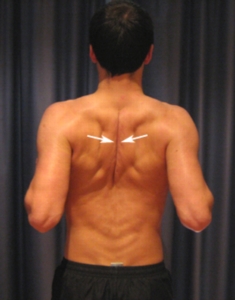
Stand with feet shoulder wide apart. Draw shoulders down and back until you feel your shoulder blades pinch in the back.

Hold for 5-10 seconds
Repeat 5-10 times


Rotator Cuff Strengthening
External Rotation

Stand with feet shoulder wide apart. Arms bend by your side at 90 degree angle. Grab elastic band with one hand and rotate outward. .

Repeat 10-20 times each side


Internal Rotation


Same position as before but this time arm rotates inward

Repeat 10-20 times each side.


These exercise are only a small selection and might not be suitable for everyone. Please talk to your physician and/or physical therapist before starting any exercise program.

I hope this short article is helping you understand your own condition or that of someone close to you. If you have any comments or questions please don't hesitate to email me.

Best,
Hartmut


References:


Web Md: http://www.webmd.com/osteoarthritis/guide/shoulder-osteoarthritis-degenerative-arthritis-shoulder
American Academy of Family Physicians: http://www.aafp.org/afp/2008/0901/p605.html
About.com: http://osteoarthritis.about.com/od/shoulderosteoarthritis/a/shoulder_OA.htm
Arthritis Health: http://www.arthritis-health.com/types/osteoarthritis/shoulder-osteoarthritis-treatment
NCBI: http://www.ncbi.nlm.nih.gov/pubmed/23190869
Science Daily: http://www.sciencedaily.com/releases/2013/01/130124163246.htm
Chicago Tribune: http://articles.chicagotribune.com/2013-04-24/health/sc-health-0424-arthritis-stem-cells-20130424_1_stem-cells-farshid-guilak-cartilage
Arthritis Foundation: http://www.arthritis.org/conditions-treatments/disease-center/osteoarthritis/

Saturday, June 29, 2013

Living and exercising with Prostate Cancer

Dear Friend,

a few days after the 12th anniversary of my father's passing, he had prostate cancer, and after a very close friend was recently diagnosed with the same disease I decided to dedicate this blog to all those who are or have been living with prostate cancer.

The prostate is a walnut sized gland between the bladder and the penis surrounding the urethra. It produces the seminal fluid that transports and nourishes the sperm.

Cancer of the prostate gland is one of the most common cancers in men. Even though the causes of the disease are still largely unknown we do know about risk factors that increase your chance to develop prostate cancer:

  • Age: Prostate Cancer is most common in men over the age of 65 and cancer cells are found in nearly 80% of men by age 80.
  • Ethnicity: Black male have an increased risk overall for developing prostate cancer and more aggressive forms of the disease in particular. Reasons unknown.
  • Family history: Any man like myself who has a family history of prostate cancer is at a higher risk than those without family history.
  • Obesity: Significantly overweight men who are diagnosed with prostate cancer show more often advanced disease which is much more difficult to treat.
Prostate cancer can in nature be slow growing or aggressive and be assigned one of four different stages. Stage 1: The Cancer is confined to a very small area in the prostate itself. Stage 2: The cancer is still small but maybe effecting both sides of the gland and/or deemed aggressive. Stage 3: The cancer has invaded other non prostate tissues surrounding the gland. Stage 4. prostate cancer cells are spreading throughout body by way of lymphatic system and blood stream and/or have grown into nearby organs.

The symptoms of prostate cancer often don't appear until the later stages:
  • Difficulty urinating (initiation and reduced force)
  • Blood traces in urin and/or semen
  • Swollen legs
  • Pelvic pain
  • Bone pain
Should you experience any symptoms that concern you please see your doctor for a detailed diagnosis. The initial screening test is typically  a digital rectal exam (DRE) in which the doctor inserts a lubricated, gloved finger into the rectum to determine if your gland shows any abnormalities in texture, shape or size. In case of a positive DRE a prostate-specific antigen test (PSA) may be needed. This test analyzes your blood for a higher than normal level of PSA which could indicate an infection, enlargement, inflammation or cancer of the prostate gland.

The next step often includes ultrasound to produce a better visual diagnosis and a  needle biopsy to collect a tissue sample that can be checked for cancer cells. If it is determined that the cancer has spread, further diagnostics are used to define the exact situation and decide the treatment options.

The treatment of prostate cancer depends greatly on the speed with which the cancer is growing, the extend to which it has spread as well as your doctor weighing benefits versus side effects.

Treatment options include:

Radiation Therapy either via high powered energy beams applied from the outside or a low long-term dose of radiation treatment by inserting small radioactive seeds into the prostate gland near the tumor. Side effects are rare but in very few cases can lead to other forms of cancer associated with radiation.

Hormone Therapy targets the male hormone testosterone which helps cancer cells grow. Testosterone production can be stopped or limited through medications which prevent signals to the testicles to produce testosterone or through medications that prevent testosterone from reaching the cancer cells. A more radical and often faster way to reduce testosterone levels is the surgical removal of the testicles called orchiectomy. Side effects can include erectile dysfunction, loss of bone mass, weight gain, reduced sex drive and increased risk for heart attacks.

Prostatectomy is the surgical removal of the prostate gland, some of the surrounding tissues as well as nearby lymph-nodes. Side effects may include urinary incontinence and erectile dysfunction.

Freezing and thawing cancer cells via the use of gases that freeze and reheat the cancerous tissues and finally kill the cancer cells This form of therapy is still in developmental stages but complications have been significantly reduced over past years and presents a possible treatment option for those who did not respond to Radiation Therapy.

Chemotherapy is a very aggressive form of treatment most commonly used for  advanced stage prostate cancer (spread to other parts of body) or in patients that did not respond to Hormone Therapy. The medication that kills cancer cells is commonly taken either via pills or given intravenously. Unfortunately chemo therapy despite great progress still presents a lot of unwanted side effects in most patients.

As always it is better to prevent disease rather than having to treat it. The risk of developing prostate cancer can be reduced through a diet that is rich in fruits and vegetables and favors real healthy food choices over supplements. Nutrients and vitamins that have been linked to the prevention of prostate cancer are lycopene (found in tomatoes) as well as vitamin E and selenium. However supplements including these vitamins/minerals don't show the same success as foods naturally rich in vitamin E and selenium. In addition to a healthful diet regular exercising on most days of the week seems to cut the risk of prostate cancer even more. Screening healthy men for prostate cancer, who are not showing any symptoms of the disease, is somewhat controversial amongst the different medical organizations. To decide whether or not screening is appropriate for you please discuss your particular situation with your physician.

Exercise and prostate cancer
 As a Physio-Therapist and Personal Fitness Trainer I am of course especially interested in how far exercising can help reduce the risk of developing prostate cancer and how those with prostate cancer respond to exercise as an additional form of treatment other than the ones discussed previously.

It seems that the majority of studies performed between 1989 and today show a probable connection between increased physical activity and decreased prostate cancer risk. This reduced risk is explained by way of hormone level regulation, the prevention of obesity, improved immune functions, and the reduction of oxidative stress that are all positively influenced through regular exercising. Exercising also has a positive effect on those undergoing treatment for prostate cancer. One study suggests that men can reduce their risk of prostate cancer progression and increase their chance of survival by adding physical activity to their daily routine. These benefits can even be attained  with moderate levels of physical activity (15 minutes per day); however exercising vigorously for three or more hours per week seems to be of greater value and reduce all-cause mortality by 49% and prostate-cancer-specific mortality by 61%. Scientist are starting to understand why vigorous activities are more beneficial quoting it's positive effects on DNA repair and cell-cycle pathways as well as gene expression changes. They found upregulated genes that included well known tumor-suppressor-genes such as BRCA1 and BARCA2 in men with prostate cancer who participated in a vigorous exercise protocol for more than three hours per week.

I think it is safe to conclude that exercise does not only help in the prevention of prostate cancer, but can also positively change the outcome of the disease. More studies and research are needed to explain the correlation between exercise and prostate cancer in detail.


I hope this blog has been able to provide you with some interesting and helpful information. Please feel free to share my blog with anyone you might think would be interested, and as always your question and comments are greatly appreciated.

Wishing you and your loved ones good health,
Hartmut

Sources:
www.mayoclinic.com
www.cancer.gov
Program in Human Biology, Stanford University California
Medscape Medical News
American Society of Clinical Oncology


Sunday, April 28, 2013

Exercising with AFib

Dear Friend,

as so many of my blogs this one too was inspired by the work with one of my current clients. He has experienced an increasing number of episodes of AFib during and outside of our training meetings. Rather than going into the details of his situation I would rather address the general issue of exercising when suffering from AFib.

Atrial Fibrillation (AFib) or paroxysmal atrial fibrillation (PAF) are characterized as irregular and often rapid heartbeats that cause a reduced blood flow to the body. Atrial fibrillation effects the upper two chambers of the heart where the blood is pooled that is returning from the body's periphery and moved on into the two lower chambers called ventricles, that pump blood back into the body's circulation. When you experience AFib the Atriums are beating out of sync with the Ventricles causing heart palpitations, weakness and shortness of breath.

The causes of Afib aren't exactly known and understood but we do know that hypertension, heart failure, coronary artery disease and pulmonary disease are major contributors in the development of this condition. A natural cause of AFib can be the hearts age. An aging heart does not respond the same way as a young heart and that can lead to PAF.

Frequent episodes of AFib can significantly increase ones risk of stroke and heart failure. Due to the chaotic atrial contractions blood remains longer in these chambers increasing the chance of blood clotting also known as thrombosis. As these clots start moving through the body they can cause blockage of blood vessels supporting vital organs (i.e. brain) with oxygen resulting in a stroke. Heart failure is caused by the increased work load on the ventricles, which have to work much harder when trying to keep up with irate and rapid atrial contractions and cause the heart over years to wear out.

AFib is most commonly found in people over the age of 65 and as our senior population grows, so does the number of people dealing on an ongoing basis with AFib. Initially AFib may occur infrequently, but over time most commonly episodes appear more and more often and in some cases becoming a permanent state. Patients are commonly treated with medications that regulate the frequency of heart beats and anti-coagulants (blood thinners) to reduce the risk of thrombosis.

Just like any other heart condition or cardio-vascular disease AFib too benefits from exercising regularly as long as the training intensity meets the state the client is in. Mild to moderate intensities when participating in aerobic activities and weight lifting can help with body weight control, enhance mental outlook, help prevent other health problems and maintain strength and mobility necessary to perform activities of daily living.

  • If you are suffering from AFib, please have your Cardiologist determine your maximum heart rate while exercising and after cool down. I personally like the use of heart rate monitors when training clients with AFib as it provides constant work-out intensity feedback.
  • Be aware and recognize symptoms of AFib. If your work-out causes chest pain, extreme shortage of breath or extreme exhaustion stop immediately and reconsult with your doctor.
  • If you are a novice to fitness training make sure you ease in to it gradually starting with 15-20 minutes sessions rather than going straight for a full hour. As Atrial fibrillation is intermittent adjust your work-out intensity and duration in accordance with the situation at time of training.
  • If you are dealing with other problems i.e. ischemic heart disease, chronic heart failure or valvular heart disease the exercise considerations of these diseases take precedence over those for AFib.
Regular exercising  can be beneficial for individuals living with AFib as it positively effects the contributing factors to heart disease and improves the overall quality of live. The key to maximizing the benefits of exercising is to follow a well designed and supervised program that the individual can follow long term.

Hopefully this article is helping you to understand better the risks and benefits of exercising with AFib. Should you have any questions or comments please let me know.

A Sante,
Hartmut

Sources: www.WebMD.com, www.livestrong.com, Medscape, Mayo Clinic, American College of Sports Medicine.


Wednesday, January 16, 2013

Warm-Up and Cool -Down: Why and How

Dear Friend,

I wish you and your family a Healthy and Happy 2013.

Yesterday I watched my son's High School soccer game. As so often, my observations triggered a new blog. During the middle of the game one of my son's teammates, who just a few minutes earlier had entered the game as a sub, went down on to the pitch in a great deal of pain. No one knew exactly why. I thought it was the lack of proper warm-up before he entered the game that caused the injury. Turns out I was wrong. Upon further examination the boy showed all classical symptoms of Sciatica. However having observed his warm-up prior to coming into the game made me want to write a blog discussing the changes that have taken place over the past 4-5 years with respect to warm-up and cool-down and the scientific reasoning behind these changes.

The right warm-up and a proper cool-down need to be essential parts of every work-out and athletic competition. Correctly done they help minimize the risk for injury, increase physical performance and help with recovery after the competition or work-out.

The preferred warm-up of the past and that of my son's teammate included some form of gradually increased cardio vascular activity ( in his case way too little) like running, cycling, swimming etc. to increase the body's core temperature and blood circulation within the muscles. This phase was followed by static stretches to increase flexibility and range of motion (prolonged stretches that are used to increase the length of soft tissue and flexibility of the muscle). This warm-up procedure is flawed in at least two ways.
  1. Static stretching is a very inactive warm-up method which leads to a decrease in muscle and body-core temperature that had just been elevated during the first phase of the warm-up. Therefore rendering the cardio-vascular warm-up part worthless. Reducing muscle temperature and core-temperature reduces physical performance ability (reduced oxygen supply, reduced neurological activation level) and increases risk of soft tissue injury as a colder muscle is less pliable/flexible and tears easier.
  2. Besides that, several recent studies have shown that static stretches reduce the muscles ability to contract forcefully leaving that stretched out muscle weakened for up to an hour. This muscle weakness leads to an increased risk for injury and a muscle performance reduction.
Does this mean static stretches should be avoided all together? The answer is no. Static stretches are still a vital part of an athletes overall training. They do increase flexibility and improve joint biomechanics thereby reducing risk for injury to soft tissue and joints. Static stretches should based on today's knowledge be performed as part of a cool-down procedure and/or be done on off days.

Lately we are leaning more and more towards sports specific dynamic warm-up programs. These dynamic warm-ups focus more on the neuromuscular systems of the muscle. Dynamic warm-ups help with short term flexibility gains and lead to more adequate protective reflex responses from the Golgi Tendon Organs without compromising the strength of the muscle. Golgi Tendon Organs are lying deep within the muscles and protect the muscles from being overstretched. If not properly prepared and activated during warm-up these organs often over react during sports activities leading to muscle strains. Dynamic warm-up protocols help dampen the reaction of the Golgi Tendon Organs leading to improved muscle performance.

To properly warm-up I suggest you continue to start the same way you used to. Brisk walking, jogging or cycling etc. will help increase core and muscle temperature, improve oxygenation of muscle, and get your metabolic and nervous systems ready for action. After that skip the static stretches and move into dynamic sports specific exercises such as high knee jogging, butt kickers, multi directional lunges, bear walks, leg swings, arm circles etc.

After completing your work-out or competition slowly turn the system back down by gradually decreasing the intensity. Slow jogging and static stretches are a good way of returning physically and mentally to a real life activity level.

I hope I was able to shed some light on the recent changes to Warm-Up and Performance Readiness. As always, if you have any questions or comments please feel free to contact me.

A Sante,
Hartmut


Sources:
Mayo Clinic: http://www.mayoclinic.com/health/exercise/SM00067
Journal of Strength and Conditioning Research. ” 2008:
http://hpcsport.com/publications/staticstretching2.pdf
About.com: http://sportsmedicine.about.com/cs/injuryprevention/a/aa071001a.htm
IDEA: http://www.ideafit.com/fitness-library/pre-run-stretch-hampers-endurance

Thursday, July 26, 2012

Fitness Training for Seniors: From Frail 2 Fit


This month I would like to write about fitness for the aging population.  More than half of our clients at BACK IN FORM are 60 years of age or older. We truly cherish this group and love working with them. We offer a program called “Frail-2-Fit” that suits every Senior no matter what stage of life or what level of physical ability he or she is in. Today's blog will explain how aging affects us physically, and how exercise and fitness training can help slow down the process of aging.


It is a well-known fact that there are individuals who live abusive lifestyles and exercise very little if at all, but live to celebrate their 107th birthdays, think Winston Churchill or George Burns.  Understand that this is the exception and not the norm.  For most of us, exercise is the key to maintaining a high quality of life and preventing the physical decline that often ends in assistant living or nursing care at a very high price. (See also my previous blog: "Your greatest financial asset is you")

According to statistics the US population over the age of 65 will reach 70 million by 2030, with the group of those 85 and older growing faster than any other segment. Unless Seniors adopt healthy living standards that include physical activities and balanced nutrition, the US could experience unprecedented growth in health care cost. 


The physical effects of aging and the counter effects of fitness training

Endurance,
is reflected by the level of cardio-respiratory fitness (CRF) which is being measured and expressed through the VO2max (maximal Oxygen uptake). CRF declines at a much greater rate after age 45 in both men and women depending on exercise habits, Body Mass Index and smoking. Those leaner, trained and non-smoking experienced in many different studies far lower declines in CRF than their untrained, overweight and smoking counterparts.However even those who smoked or were overweight were protected from early death if they exercised/walked at least 30 minutes per day, reinforcing the importance of exercise.

Strength,

loss, outside of a stroke or accident, is the leading cause of immobility and loss of independence. We tend to lose about 3%-5% per decade starting in our 40's and that loss increases often by 1%-2% per year after age 50. However, the good news is that hypertrophy and improved neuro-muscular adaptation can be achieved at any age. That means strength can be regained and maintained after loss, by increasing muscle mass and fine tuning the communication between the Brain/Spinal Cord and the muscle. Strength increases of up to 200% in lower extremities and well above 100% in upper extremities have been found in many case studies with weight and resistance training.

Flexibility,
decreases with age because of reduced movement and the natural reduction in soft tissue elasticity due to the inability of cells in the aging body to retain water in an sufficient manner. There is no clear science as to how much stretching should be described. However regular stretching can help preserve functional range of motion and joint health preventing increased wear and tear (Osteoarthritis).

Balance,
depends on several physical abilities that all decline with age, such as strength, mobility, neuron-transmission speed, eye sight, proprioceptive information flow, depreciation of vestibular system etc. Many of these physical abilities can be corrected and/or their regression slowed through adequate fitness training. For example: A loss of strength and decreased mobility and flexibility commonly effects posture negatively increasing the challenge to maintain the body's center of gravity over the base of support. Exercises geared to correct postural deficiencies can reduce the negative impact on balance.Another example: Reducing physical activities such as golfing, tennis or dancing reduced the stimulus for the proprioceptors, starting up a fitness program and reintegrating some of the activities done earlier in life will awaken those receptors and can reverse the negative effect on balance.

Bone density,
decreases as we age. Significant decreases are more common in women than in men and more prevalent in post menopausal women. Moderate bone density losses are referred to as Osteopenia, the severe form is called Osteoporosis. US wide more than 40 million Americans (female and male) are affected by severe bone density loss. This disease causes roughly 1.5 million fractures in the US annually. Exercises such as lifting weights places stress on the bone as muscles contract causing the bone to thicken. Weight bearing exercises such as walking compressing bone structures in vertical direction which improves the nutritional situation inside the bone and helps repair bone density loss in lower extremities and spine. Please see also my previous blog: "Osteoporosis: maintain and recreate bone density"


Joint health,
is diminished in almost all older adults. Over time the cartilage that protects the bones inside the joints starts to degenerate and eventually bone starts to grind on bone. This degenerative condition is known as Osteoarthritis and affects nearly 27 million Americans. It leads to pain and joint stiffness and often results in joint replacement. Studies have shown improvements in joint function and joint pain in those who exercise regularly choosing low impact aerobics and light to moderate weight lifting. The Arthritis Foundation has created an exercise program called PACE (People with Arthritis Can Exercise) that offers tips and instructions for land and water based exercising with Osteoarthritis.

Cognitive functions,
can become impaired as we age. Studies have shown that adults ages 55 and older showed in MRI testing substantial declines in brain tissue density in areas associated with memory and thinking. Those who were actively involved in regular cardiovascular fitness training showed significantly lower losses. Another study showed that individuals 65 and older, who walked at least 3 days per week had a 35% lower incident rate of dementia than those who walked less or not at all. These results are very encouraging and should be taken into serious consideration when battling Alzheimer's Disease and other forms of dementia.

Mental Outlook
In the US about 14% of males and 18% of females over the age of 55 struggling with some form of depression or another. There is unfortunately very little research on exercising and depression in older adults. It is however safe to assume that it shows similar results as we see in younger adults with depression. Even if it's not a depression cure for Seniors aerobic exercises can at least help alleviate the negative impacts of depression and enhance the mental outlook.


Conclusion
It doesn't come as a surprise that exercise is a great tool to improve quality of life, stave off disease and the negative effects of aging as it has made it's way into almost every therapy protocol known to men. There is no age limit on when to start, and there is no success limit due to age as long as we take preexisting conditions that require changes to an exercise routine and the slower adaptation to training into consideration. I recommend you start by discussing your training plan with your physician and let a fitness professional guide you in the set-up of a program that takes your individual situation into account.

A Sante,
Hartmut


Sources:
Andrew S. Jackson; Xuemei Sui; James R. Hébert; Timothy S. Church; Steven N. Blair. ” Role of Lifestyle and Aging on the Longitudinal Change in Cardiorespiratory Fitness.”  Arch Intern Med. 2009;169(19):1781-1787
http://www.acsm.org/docs/current-comments/resistancetrainingandtheoa.pdf
http://www.medicinenet.com/senior_exercise
http://www.arthritis.org/what-is-osteoarthritis.php
http://www.ncbi.nlm.nih.gov/pubmed/19363089